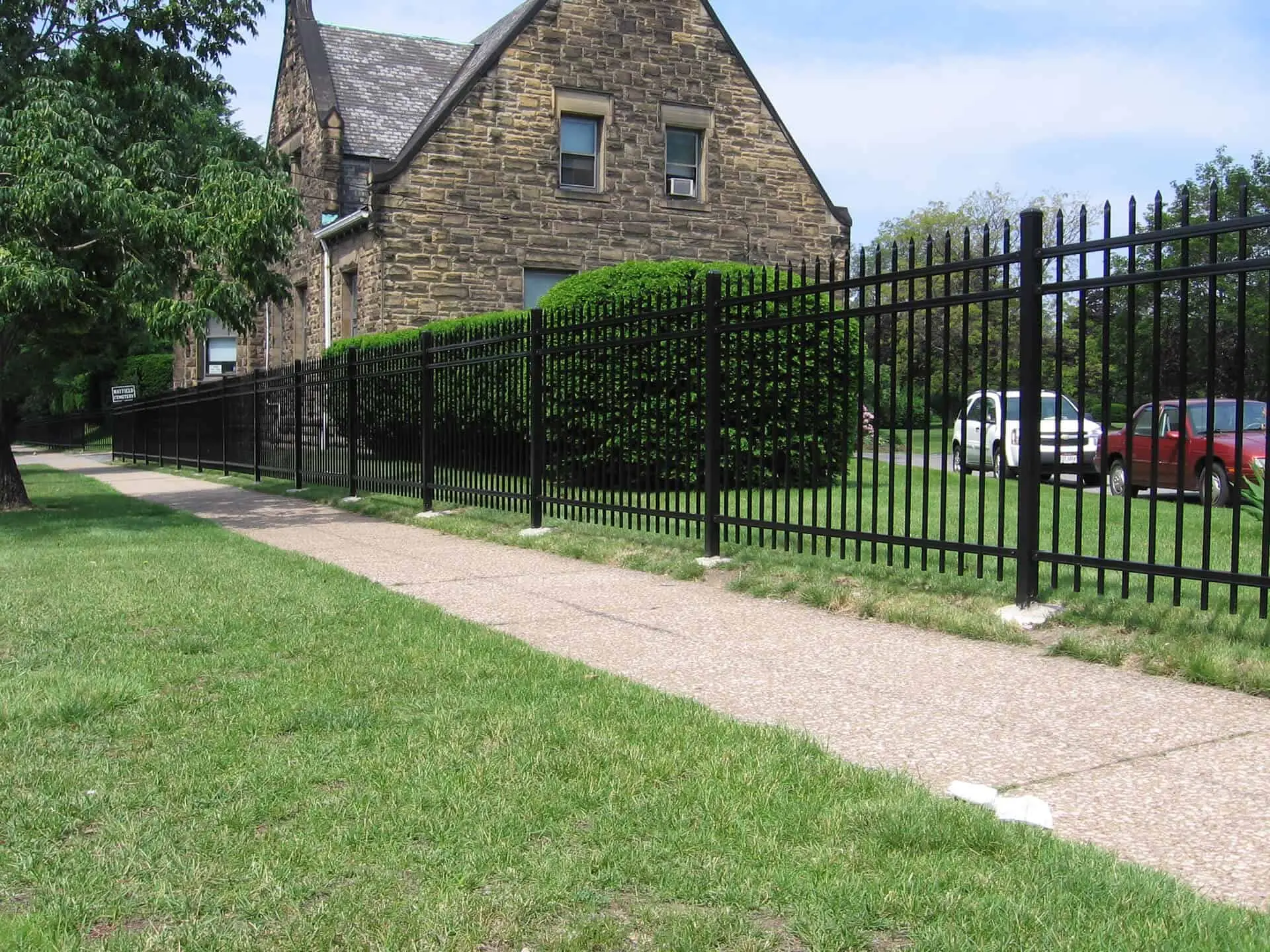
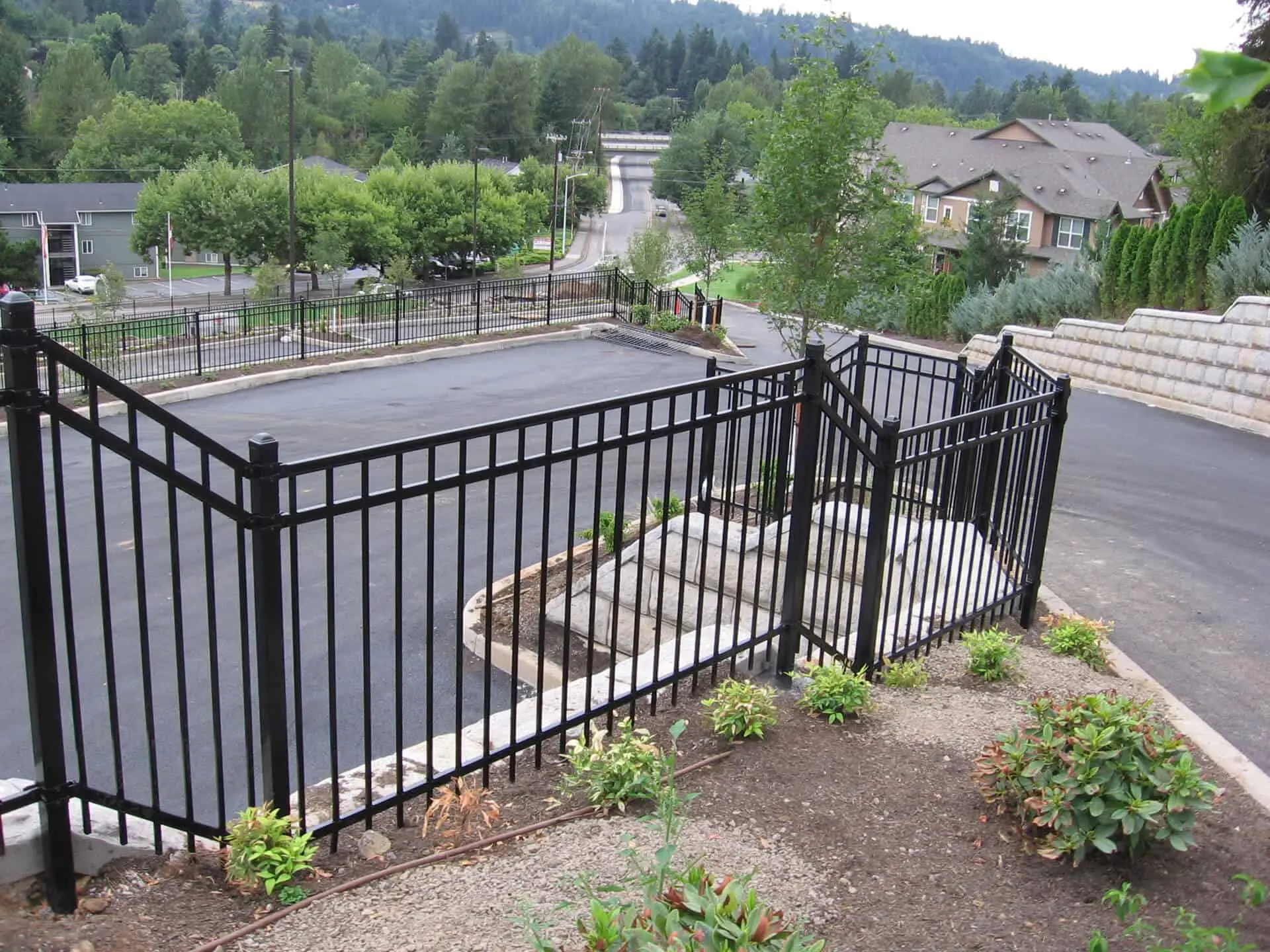
Where ornamental iron earns its place
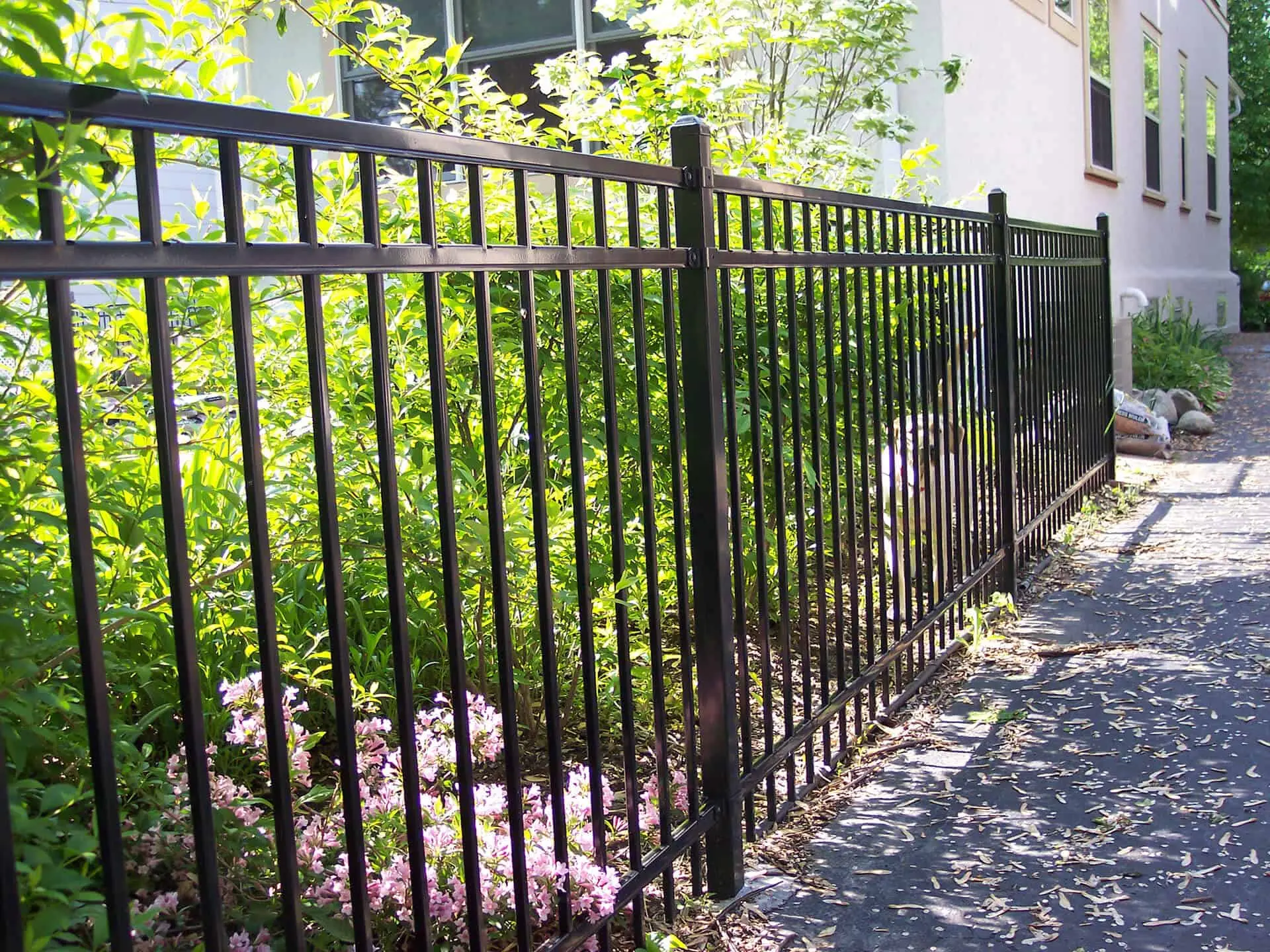
Ornamental iron and steel-style fencing works when the property needs definition, security, and curb appeal without blocking visibility. It is common around front yards, pools, commercial entrances, view lots, and gates.
- Front-yard curb appeal and boundary definition
- Decorative security without full privacy
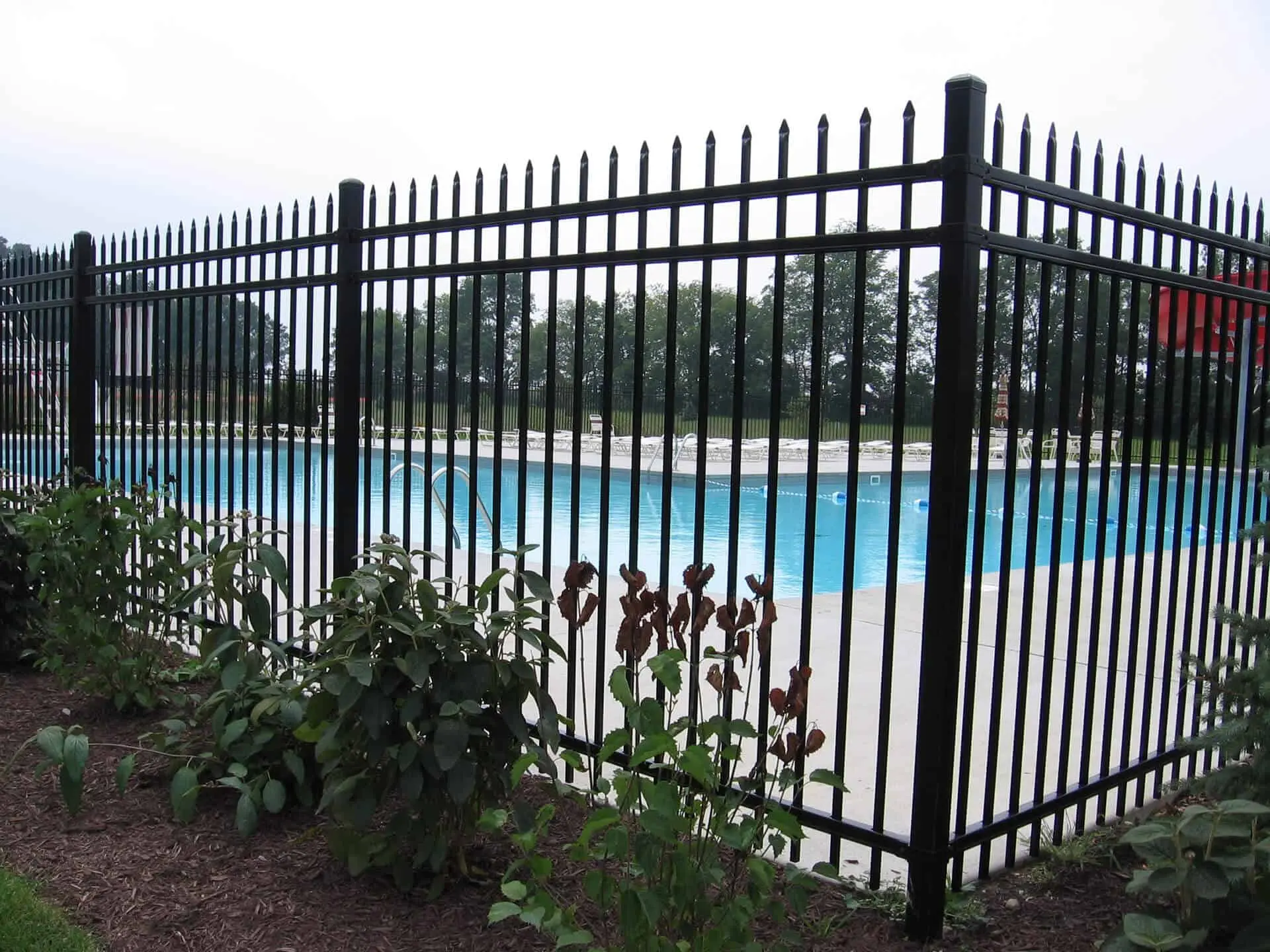
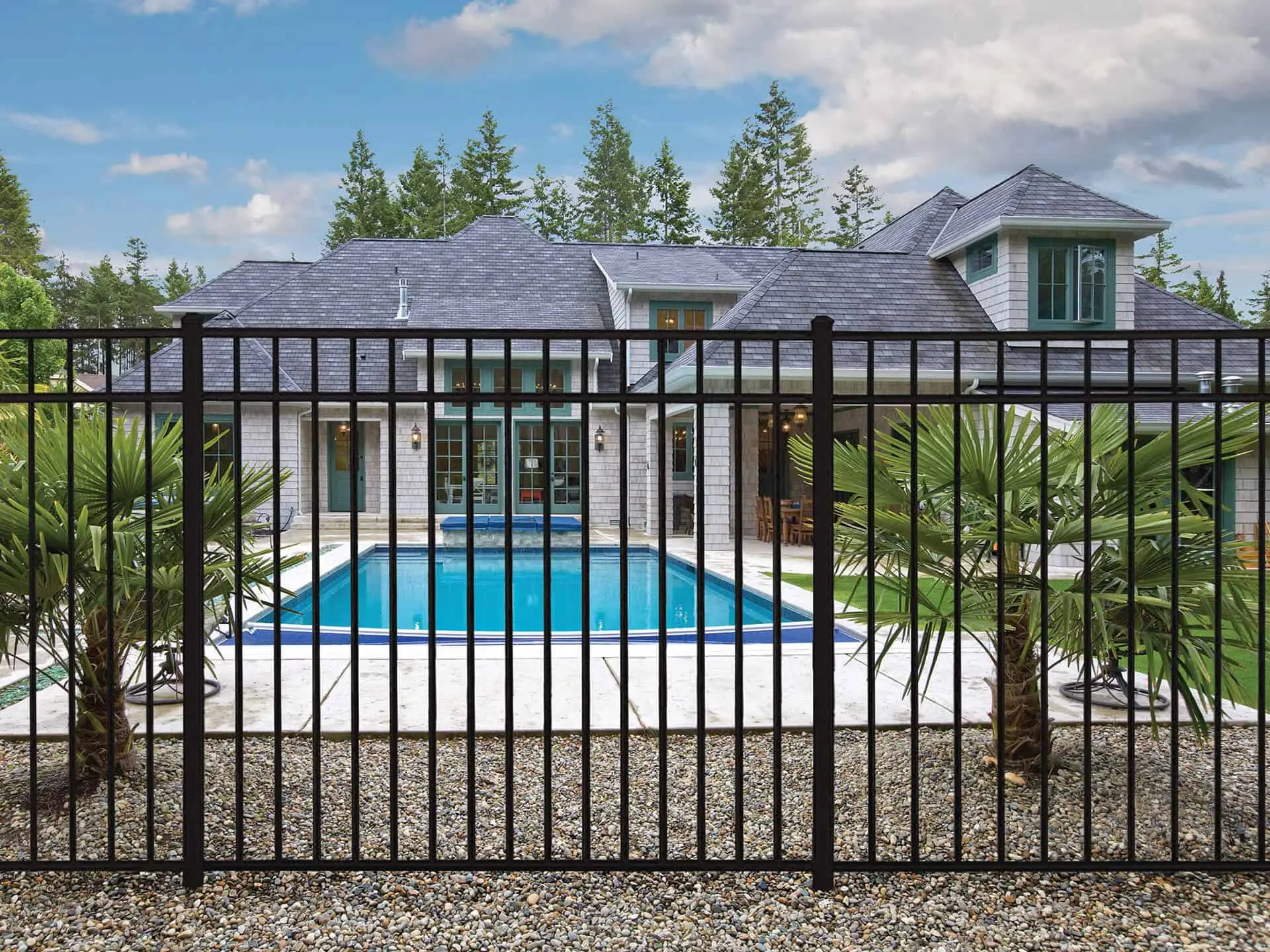
- Pool and patio areas where visibility matters
- Drive gates, walk gates, and entry accents
- Commercial entrances and visible property edges
Wrought iron vs ornamental steel vs aluminum
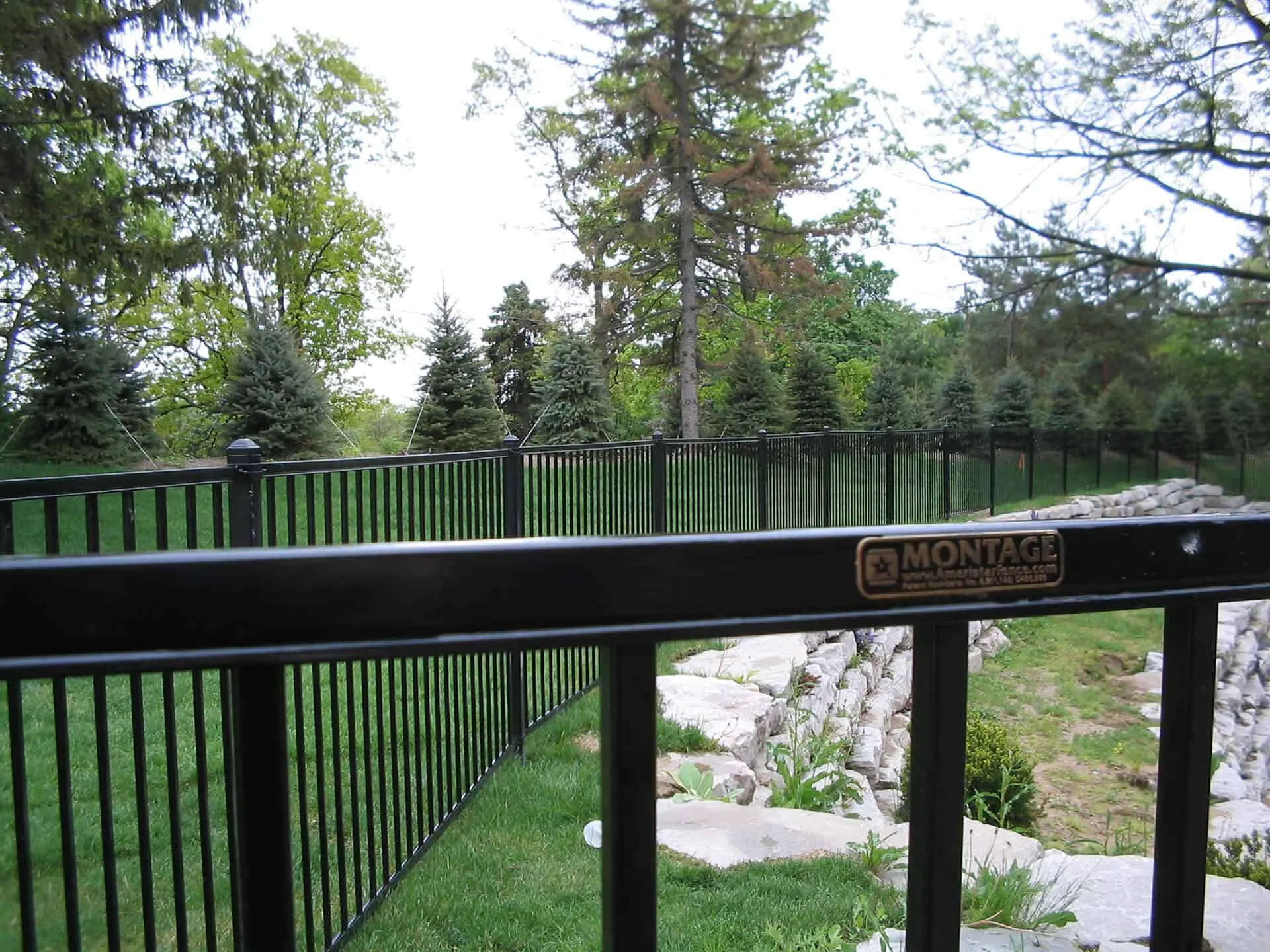
Traditional wrought iron language still drives searches, but many modern projects use ornamental steel or aluminum products. Steel-style systems can feel heavier and more security-forward; aluminum can be lower maintenance and a better fit around pools or view-focused yards.
Security and gate planning
Iron-style projects often depend on gates as much as fence panels. Gate width, latch hardware, swing direction, automation readiness, vehicle access, pool latch needs, and entry visibility should be discussed before final pricing.
Cost factors for iron and steel-style fencing
The final scope changes with height, panel style, picket spacing, finish, gate quantity, terrain, masonry tie-ins, access, and whether the project is residential, pool-related, or commercial.
- Height and panel style
- Gate size, latch hardware, and access needs
- Powder-coated or decorative finish expectations
- Masonry, columns, or existing fence tie-ins
- Pool code or commercial security requirements
Wrought iron, ornamental iron, and steel-style language
Fence buyers use several terms for similar-looking projects: wrought iron, ornamental iron, steel fence, metal fence, and decorative gates. Keeping those terms together helps homeowners compare the right options without bouncing between scattered pages.