Fence planning guide

Fence Mow Strips: A Practical Add-On for Utah Fence Projects

A fence mow strip can reduce trimming, protect the lower fence line, and create a cleaner transition between lawn, landscaping, gates, and posts when drainage and grade are planned correctly.

Overview

Useful guidance before the estimate.

A mow strip is a narrow concrete or hardscape edge installed under or beside a fence. It is optional, but it can simplify lawn maintenance and protect the finished fence line when the dimensions, drainage, posts, and gates are coordinated before installation.

Project proof

See finished fence projects similar to yours.

Photos help you compare materials, height, privacy, gates, style, and finished curb appeal before requesting a quote.

Browse the Full Project Gallery
generalvinyl
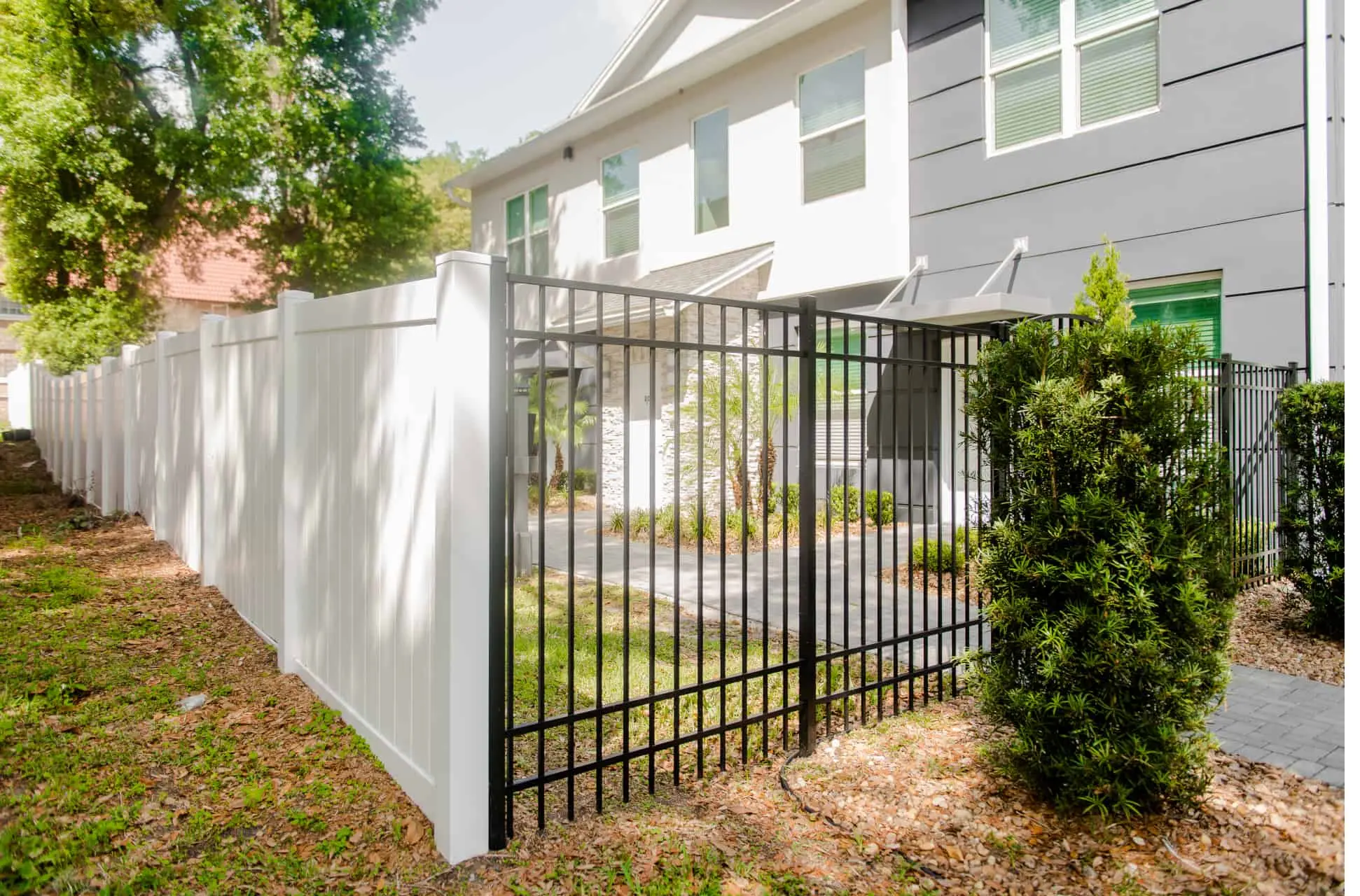
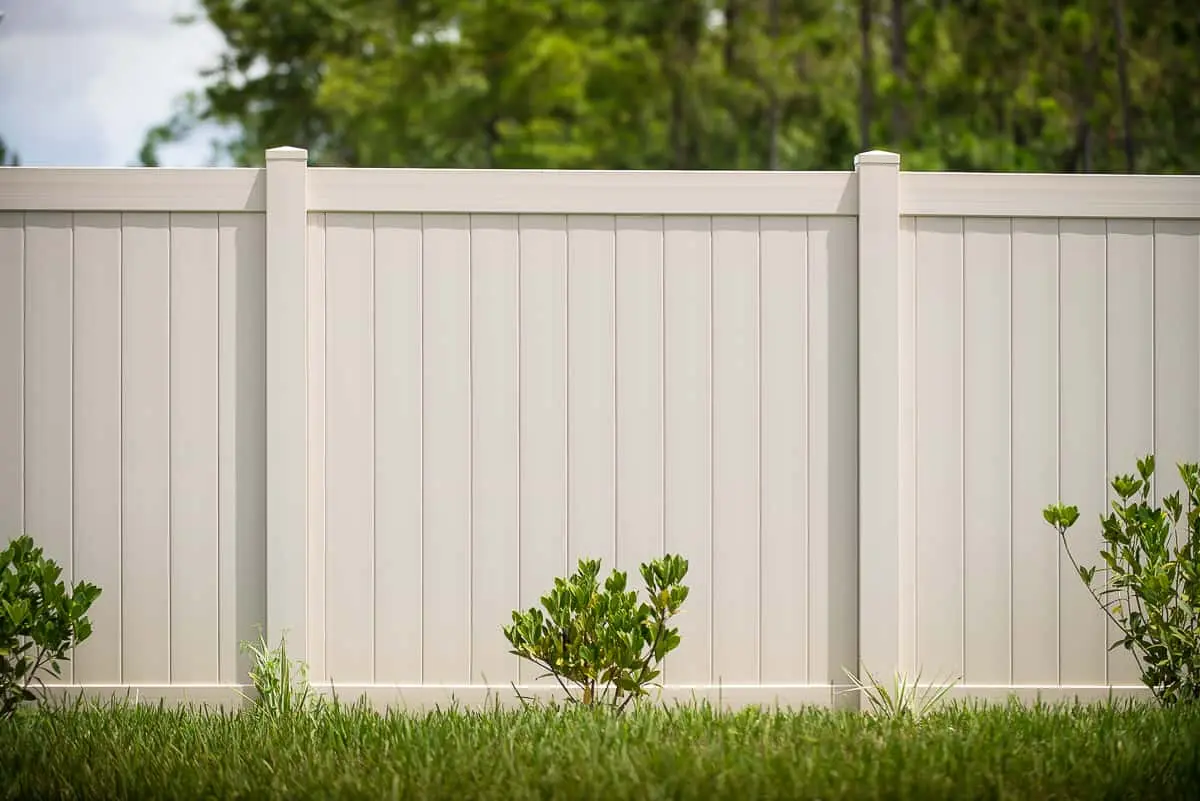
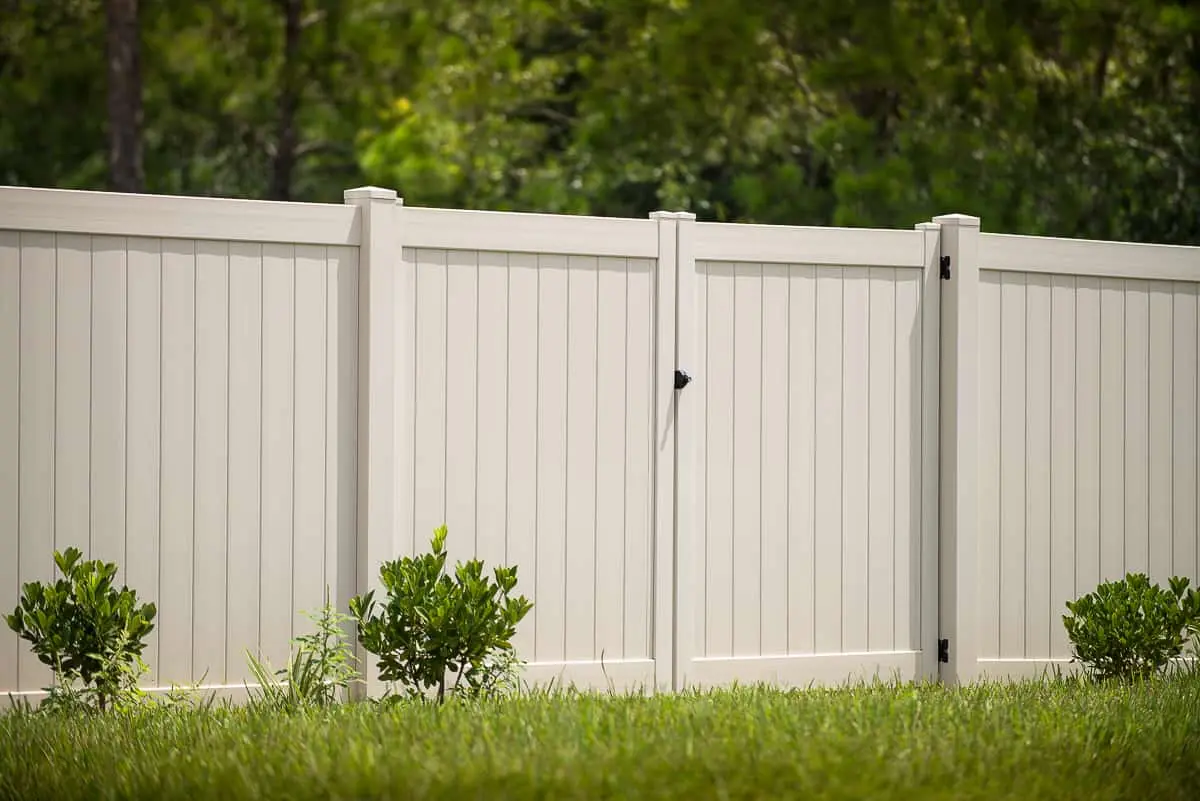
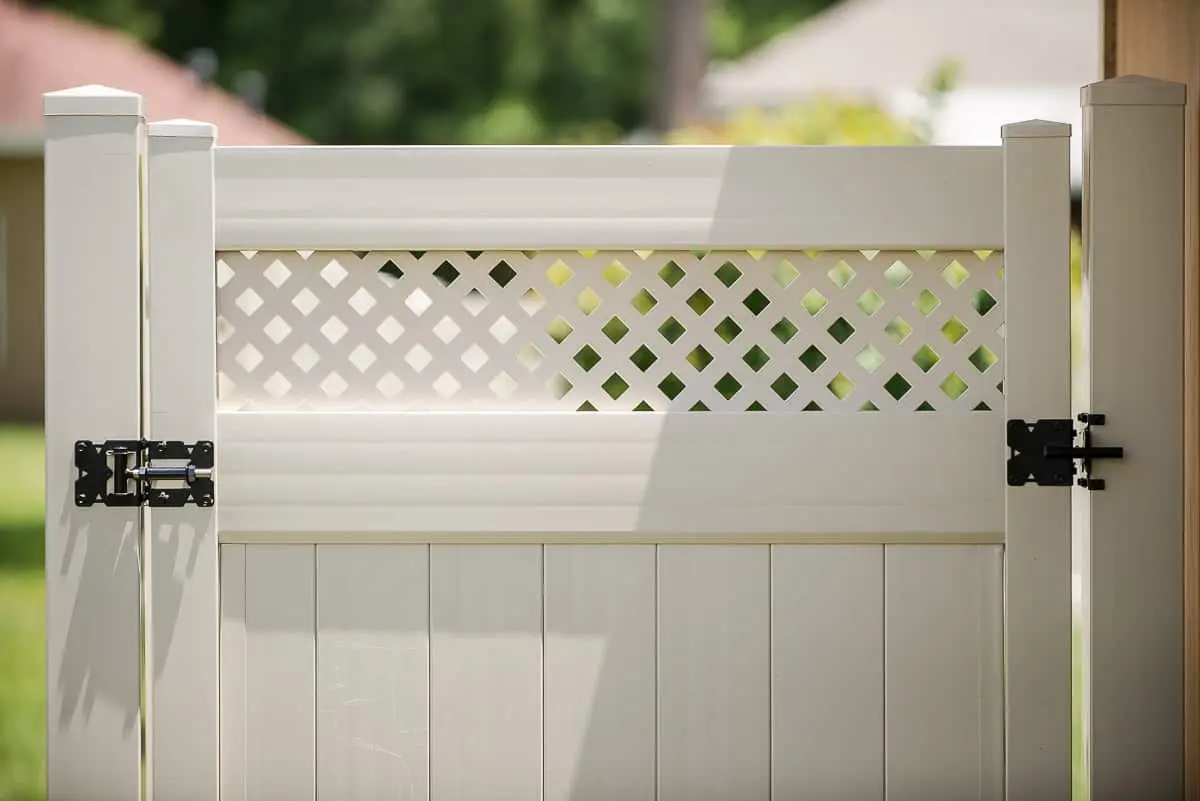
Utah Fencing vinyl fence - Tan HamiltonUtah Fencing vinyl fence - Vinyl Aluminum TransitionUtah Fencing vinyl fence - Tan Hamilton Flat Cap

What to consider

A practical guide that supports better decisions.

Compare the practical details that shape a cleaner estimate: material fit, access, gates, privacy needs, maintenance, and local property conditions.

What a mow strip actually solves

Grass and weeds growing directly against a fence are hard to trim without scuffing vinyl, damaging wood, or leaving an uneven edge. A properly placed strip gives mower wheels and string trimmers a durable boundary. It also separates lawn from the fence line, which can make irrigation overspray, mud, and recurring weed growth easier to manage.

Coordinate it before posts are set

The cleanest result comes from planning the fence and mow strip together. Post centers, panel clearance, strip width, gate openings, corners, and transitions to patios or sidewalks all affect the layout. Adding concrete later can work, but it creates more chances for awkward joints, buried hardware, trapped water, or a strip that does not align with the finished fence.

Drainage matters more than appearance

A mow strip should not create a dam against the fence or redirect runoff toward a house, neighbor, or low spot. Utah yards often combine irrigation, sloped lots, compacted soil, and freeze-thaw movement. The installer should review drainage direction, low areas, sprinkler locations, and how the hard edge meets existing concrete before finalizing the detail.

Use the right width and placement

There is no universal width for every property. The strip should be wide enough to support the maintenance goal without wasting concrete or crowding landscaping. Placement also depends on whether it is centered under the fence, offset toward the lawn, or used as a separate landscape border. Ask how the proposed dimensions relate to posts, panels, and mower access.

Treat gates and corners separately

Gate openings carry foot traffic, wheel loads, and repeated movement that ordinary fence runs do not. A strip near a gate may need a different transition or a larger pad. Tight corners, double gates, rolling gates, and fence lines meeting a driveway should be detailed individually instead of forcing one continuous strip through every condition.

Know the limits

A mow strip does not fix a poor fence layout, eliminate all weeds, waterproof the bottom of a fence, or replace proper drainage. Concrete can crack and settle. Lawn and soil can still move. The value is easier maintenance and a more controlled edge, provided the fence, irrigation, grading, and hardscape details are coordinated.

Questions to include in the estimate

Ask who is installing the strip, whether it is included in the fence contract, the proposed width and thickness, how reinforcement and joints are handled, where runoff will go, and how gates or existing concrete will transition. Make sure removal, excavation, sprinklers, access, spoil disposal, and restoration are assigned to the correct contractor.

Before your estimate

What Superior should clarify before installation.

A better estimate starts with the right details before anyone starts setting posts.

Start a Fence Estimate

Material fit

Match privacy, security, pool safety, pets, views, and maintenance expectations to the right fence type.

Site details

Review grade, corners, gates, old fence removal, access, utility marking, and how the fence meets existing structures.

Local context

Consider HOA style limits, city conditions, commercial access, wind exposure, and surrounding neighborhoods when relevant.

Quote next step

Start with a clear estimate request that includes enough detail for a helpful first conversation.

Questions

Common questions before requesting a fence estimate.

Straight answers to the questions that usually come up before a fence estimate.

Is a mow strip required for a fence?

No. It is an optional maintenance and finish detail.

Can a mow strip be added after the fence?

Often, but planning both together usually produces cleaner alignment around posts, gates, corners, and drainage.

Will a mow strip stop every weed?

No. It reduces the difficult growth directly at the fence line, but joints and nearby soil can still support weeds.

Can it cause drainage problems?

Yes, if it blocks or redirects runoff. Grade and drainage should be reviewed before concrete is placed.

Who should install it?

Responsibility depends on the project. Confirm whether the fence contractor, concrete contractor, or landscaper is providing it and where each scope begins and ends.

Related pages

Keep comparing the options that matter.

Related service, material, resource, and city pages help visitors find the right fence style, local guidance, and estimate path.

Ready for the next step

Request a fence estimate from Superior Fence & Rail of Utah.

Tell us what you are building, where the property is, and what you care about most. We will help match the right fence to the job.

Start Estimate